Syringic acid affords antioxidant protection in the pancreas of type 2 diabetic rats
DOI:
https://doi.org/10.31989/bchd.v6i2.1061Öz
Background: Diabetes mellitus, is a multifactorial disease brought on by a complex interplay of metabolic, genetic, and lifestyle variables. Prolonged and chronic hyperglycemia is a complication of diabetes and might increase the risk of major health issues.
Objective: This investigation aims to determine whether the phenolic phytochemical syringic acid (SA) has any protective role on the pancreas of diabetic rats.
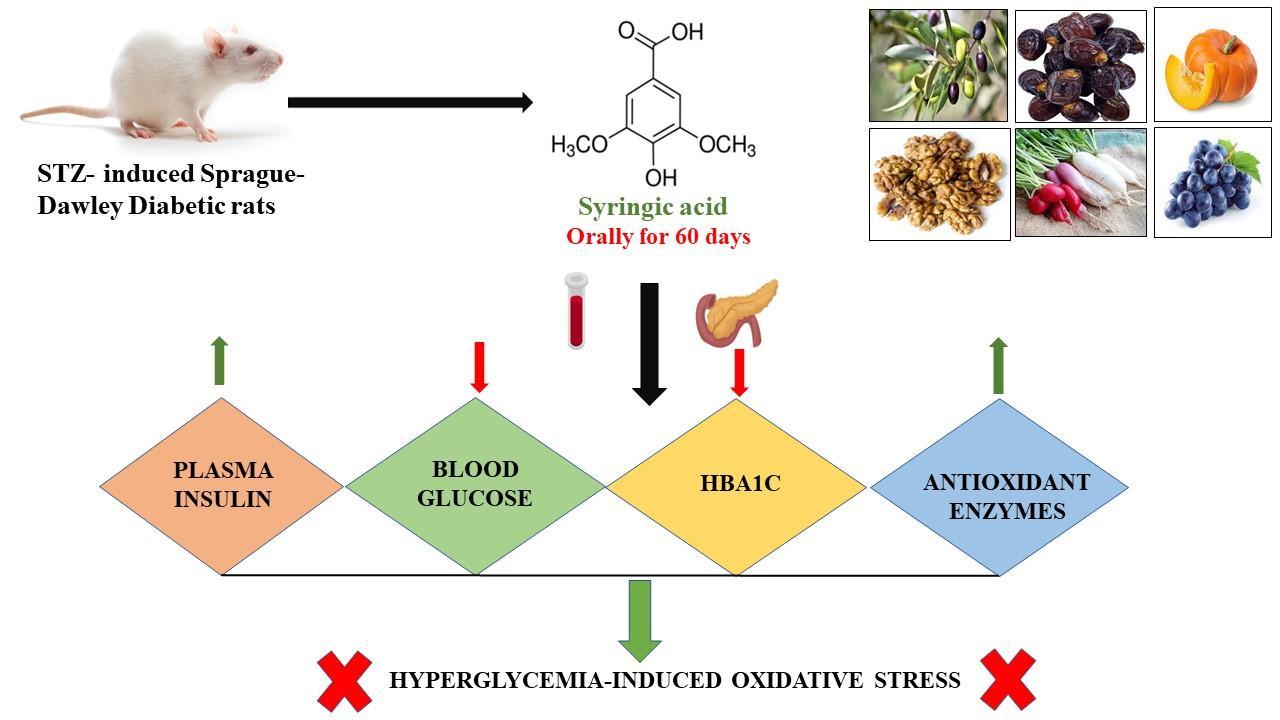
Methodology: Streptozotocin was injected intraperitoneally (40 mg/kg) into male Sprague-Dawley rats to induce diabetes. At a dosage of 50 mg per kg body weight, syringic acid (SA) was administered using an oral tube, once a day for 60 days. Our study examined plasma insulin, glucose, glycated hemoglobin, toxicity markers and antioxidant enzymes. The results were compared with those of diabetic rats receiving glimepiride (0.1 mg/kg) as the standard drug.
Results: Treatment with syringic acid significantly lowered hyperglycemia, improved insulin levels, reduced toxicity markers in diabetic rats. Further, Syringic acid also promoted activity of enzymes such as catalase, glutathione peroxidase, glutathione reductase, and superoxide dismutase in the pancreas.
Conclusion: These results imply that syringic acid, owing to its ability to control hyperglycemia, and reduce oxidative stress, affords antioxidant protection in the pancreas of diabetic rats.
Keywords: Diabetes mellitus, Syringic acid, Antioxidant protection, Glimepiride.
Yayınlanmış
Sayı
Bölüm
Lisans
Authors retain the copyright of their articles and grant the Functional Food Center (FFC) and its journals the right of first publication under the terms of the Creative Commons Attribution 4.0 International License.
This license permits unrestricted use, distribution, and reproduction in any medium, including commercial use, provided the original author(s) and source are properly credited. Authors may post and share their published work freely, provided that the original publication in this journal is acknowledged.
By submitting to this journal, authors confirm that their manuscripts are original, not under consideration elsewhere, and that they hold the necessary rights to grant this license. The Functional Food Center encourages open scientific exchange and allows derivative and extended works, provided attribution to the original publication is maintained.